Elon Musk’s AI Backfires: Claims to Solve a Super Difficult Problem, Then Admits "I Might Be Wrong"
AI News 24/02/2025 23:52
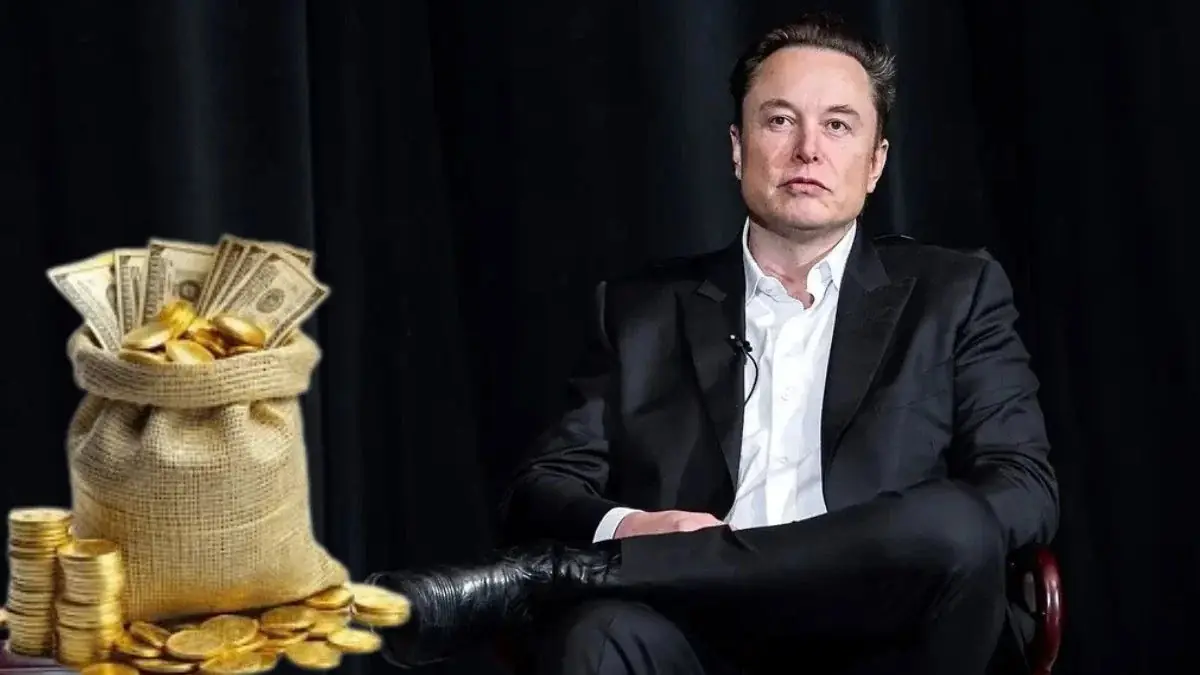
Tesla is experiencing a historic sales decline, while competitors continue to gain market share.
In 2024, for the first time ever, Tesla’s global sales dropped by 1% compared to the previous year, marking a significant slowdown from the 38% and 40% growth rates of the previous two years.
In the U.S. market, Tesla’s sales plummeted by 16% from December 2023 to January 2024. While a drop in January is common—since Tesla typically pushes sales at year-end—the 24% decline compared to December 2023 remains concerning.
However, Tesla’s declining sales aren’t solely tied to CEO Elon Musk; rising competition and less attractive pricing also play a role.
Musk’s increasing political involvement, including appearances alongside former President Donald Trump, has sparked debate. But is this actually hurting Tesla’s business?
Data from S&P Global Mobility shows that Tesla’s customer loyalty is significantly dropping in Democratic-leaning “blue states”, falling from 72% at the end of 2023 to 65% by the end of 2024. Meanwhile, in Republican-leaning “red states”, Tesla’s repurchase rate slightly increased from 47.6% to 48.2%.
A Morning Consult survey found that the percentage of Americans who said they would "never buy a Tesla" rose from 27% in 2023 to 32% in 2024, compared to just 17% in 2021. However, the percentage of consumers who are certain about purchasing a Tesla has remained steady at 16% over the past four years.
Still, it's unclear whether Musk’s political actions are the primary reason behind Tesla’s customer loss, as several other factors influence purchasing decisions.
One way to assess Musk’s impact on Tesla is by looking at the number of used Teslas hitting the market.
According to Cox AutoTrader, an average of 11,300 used Teslas were listed for sale in Q4 2024, representing a 28% increase from 8,800 units in the same period the previous year.
However, this may not be directly related to Musk’s influence. Many owners tend to trade in their vehicles after three years, and Tesla’s pandemic-era sales boom means a natural increase in used Tesla inventory.
Beyond political factors, Tesla is also under pressure from stronger competitors.
Legacy automakers such as General Motors, Ford, and Volkswagen have launched new, competitively priced EV models, offering consumers more options than ever before.
Meanwhile, Tesla has only introduced one new model—the Cybertruck, a high-priced electric pickup with modest sales. Core models like the Model 3 and Model Y have seen little innovation, allowing competitors to outpace Tesla with newer, more advanced EVs.
Additionally, China’s BYD is quickly dominating the EV market. In Q4 2024, BYD surpassed Tesla in global EV sales, particularly in China and Europe.
Tesla's struggles are evident in Germany, where January 2024 sales fell by 59% year-over-year.
With declining sales, growing competition, and shifting consumer sentiment, Tesla faces one of its toughest periods yet.
While Elon Musk’s political stance may be alienating some buyers, the lack of new, affordable models and the rise of aggressive competitors are equally, if not more, significant challenges.
Tesla’s next moves will determine whether it can regain its footing or continue losing ground in the rapidly evolving EV market.