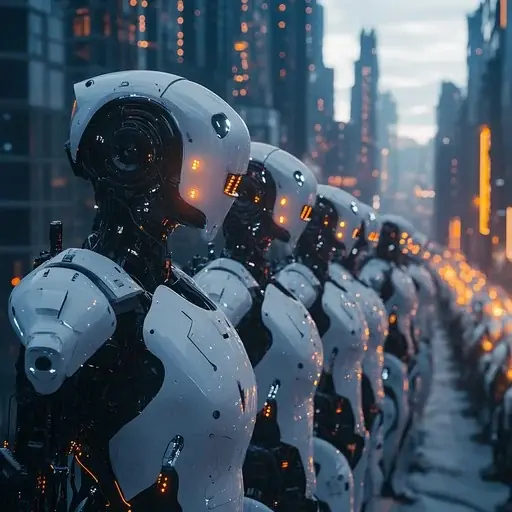
Figure AI to Deploy 100,000 Humanoid Robots Over the Next Four Years
AI News 24/02/2025 22:55
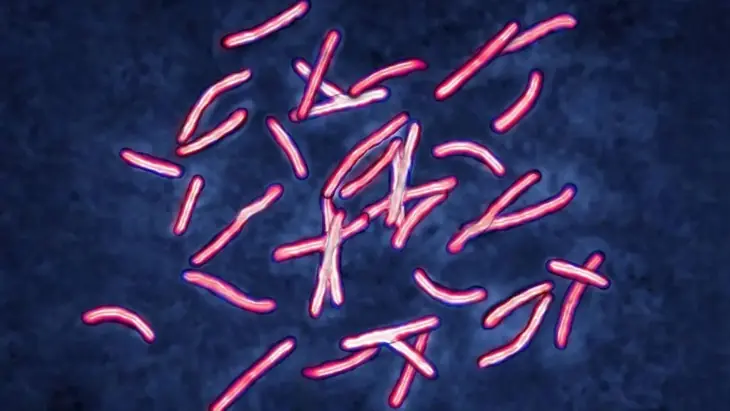
A complex superbug mystery that took microbiologists ten years to unravel has been solved by AI in just 48 hours.
Professor José R. Penadés and his research team at Imperial College London (UK) had spent years studying why certain superbugs develop antibiotic resistance.
Curious about the capabilities of AI, he posed a short and concise question to "AI Co-Scientist", an AI-powered research tool developed by Google. Within just two days, the AI reached the same conclusion that took his team a decade to discover.
Speaking with BBC, Professor Penadés expressed his astonishment at the AI’s findings, noting that his research had never been published and was not available in public datasets.
Stunned by the accuracy of the AI's results, he even emailed Google, asking if their system had somehow accessed his personal computer to retrieve the data. Google firmly denied any such access.
According to Professor Penadés, the AI not only reached the same conclusion as his team, but also suggested four additional hypotheses—all of which were scientifically plausible.
"What’s truly remarkable is that one of those hypotheses had never even crossed our minds, and we are now actively researching it," he said.
The research team had been working to understand how certain superbugs—bacteria resistant to antibiotics—are formed.
Their hypothesis suggested that superbugs develop a "tail" from different viruses, allowing them to spread between species.
Professor Penadés compared this to superbugs having a set of "keys" that enable them to move from "one house to another"—essentially, from one host to another.
What makes this even more extraordinary is that this hypothesis was developed entirely within their team, had never been published, and no one had shared any details about the research externally.
To test Google's new AI research tool, Penadés decided to feed it this challenge. Just two days later, the AI presented several hypotheses, with its top-ranked answer matching the mechanism his team had spent years uncovering.
This breakthrough showcases the remarkable potential of AI in scientific research, raising questions about how AI can accelerate discoveries that would otherwise take years, or even decades, to achieve.